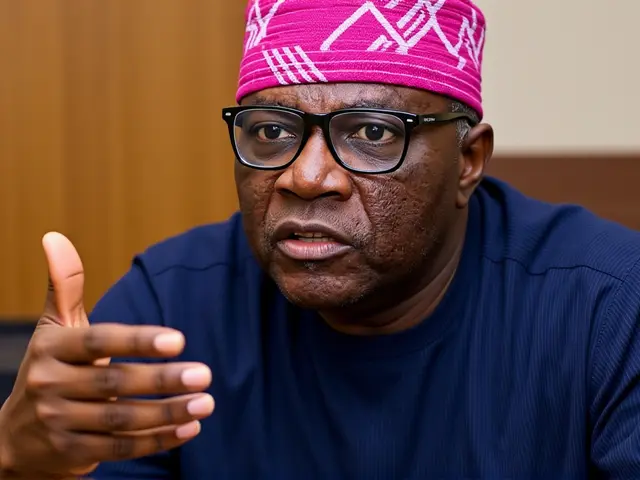
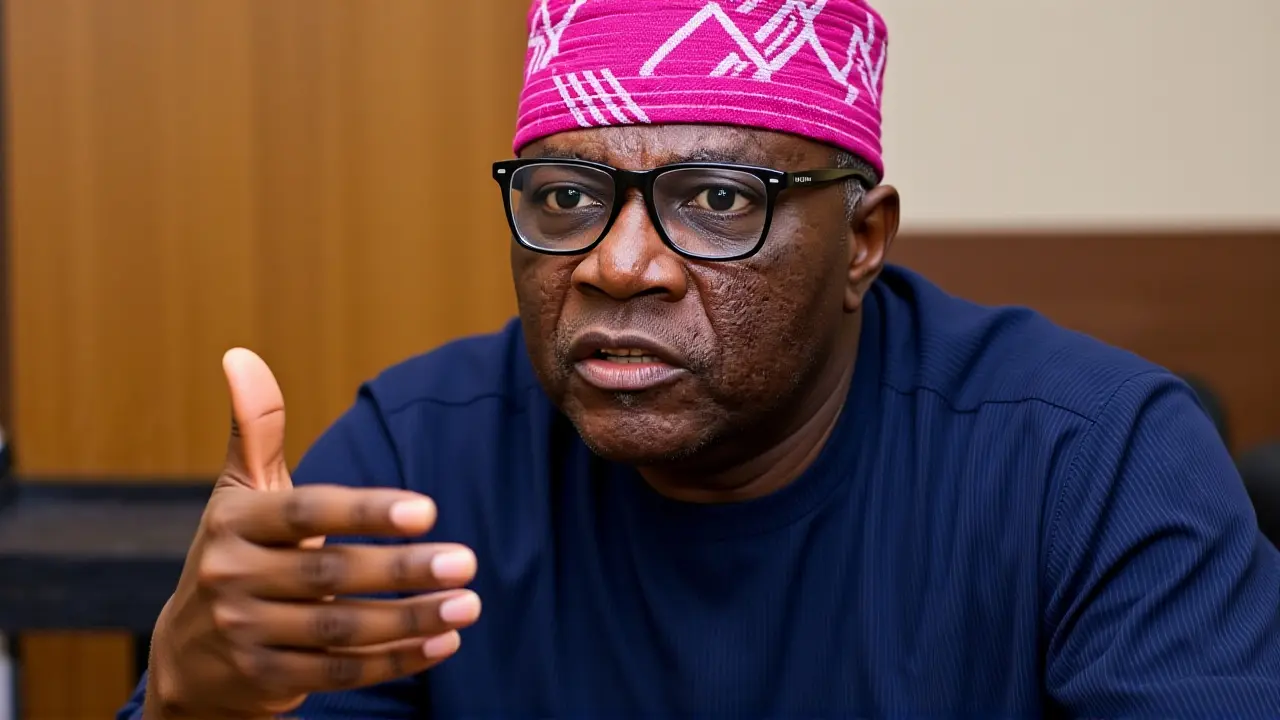
The digital battleground in Nigeria just got a whole lot louder. On February 2, 2026, Phrank Shaibu, media aide to former Vice President Atiku Abubakar, went head-to-head online with Bayo Onanuga, presidential spokesperson for President Bola Tinubu. It wasn't just a polite disagreement; it was a sharp, public clash that highlighted the deepening rift between the opposition camp and the current administration.
Here’s the thing: this isn’t an isolated incident. It’s the latest flare-up in a months-long tension over transparency, governance, and how the presidency handles its public image. The fight erupted after Shaibu criticized President Tinubu’s recent visit to Plateau State, calling it "brief" and suggesting it showed a detachment from actual governance. Onanuga, naturally, didn’t let that slide.
The Spark: Plateau State Visit Criticism
To understand why everyone is angry, you have to look at what happened in Plateau State. President Tinubu visited the region following recent attacks that left communities reeling. But instead of going directly to the affected areas, he was received at Yakubu Gowon Airport in Jos.
The Presidency explained that logistical constraints—specifically, the airport runway lacking navigational aids for night operations—made it impossible for the President to drive into town, meet victims, and return safely before dusk. The road journey alone takes about 40 minutes. Officials argued that driving out and back would have been unsafe given the limited daylight.
But for critics like Shaibu, this explanation rang hollow. He argued that the visit demonstrated a lack of genuine engagement with suffering citizens. "It feels detached," the sentiment went, implying that the President was more focused on photo ops than on-the-ground assessment. This perception gap is exactly where political friction thrives.
A Pattern of Opacity? The Turkey Trip Controversy
But wait, the Plateau visit wasn’t even the first straw breaking the camel’s back. Just days earlier, on January 26, 2026, another of Atiku’s aides, Paul Ibe, had publicly questioned the Presidency’s handling of information regarding President Tinubu’s state visit to Turkey.
Onanuga had announced the trip as a multi-day diplomatic engagement aimed at strengthening ties in security, education, and aviation. However, the announcement notably lacked a specific return date, stating only that the President would return "at the conclusion of the visit."
Ibe took to X (formerly Twitter) to call this out. "What is this new trend of not giving a date of the return of the President whenever he is travelling out?" he asked. His post resonated with many who felt the administration was becoming increasingly opaque about the President’s movements. In a democracy, accountability starts with knowing where your leader is and when they’ll be back.
Escalating Tensions Between Camps
This online duel between Shaibu and Onanuga is symptomatic of a broader strategy. Atiku Abubakar’s team has been systematically scrutinizing the Tinubu administration’s actions, focusing on issues of transparency and effectiveness. Meanwhile, the Presidency has responded with defensive statements and counter-accusations.
Bayo Onanuga, as the face of the Presidency, has become the primary target for these criticisms. His role requires him to balance defending the administration’s decisions while maintaining a tone that doesn’t further inflame public opinion. In this instance, the exchange turned personal, with both sides trading barbs that hinted at deeper political rivalries.
The stakes are high. With elections looming in the background, every misstep or perceived slight is magnified. For the opposition, highlighting inconsistencies builds a narrative of incompetence. For the government, defending its actions is crucial to maintaining public trust.
Why This Matters Beyond the Tweets
Beneath the noise of social media arguments lies a serious question about governance. When citizens can’t get clear answers about their president’s whereabouts or the rationale behind official visits, trust erodes. The Turkey trip controversy raised questions about diplomatic priorities versus domestic needs. The Plateau visit raised questions about empathy and accessibility.
Experts note that in the digital age, these online fights aren’t just about ego—they’re about shaping public perception. Every tweet, every statement, becomes part of the historical record. For voters trying to make sense of the political landscape, these exchanges provide clues about which side they believe is acting in the nation’s best interest.
Frequently Asked Questions
Who are Phrank Shaibu and Bayo Onanuga?
Phrank Shaibu is a media aide to former Vice President Atiku Abubakar, representing the opposition camp. Bayo Onanuga serves as the presidential spokesperson for President Bola Tinubu, acting as the primary voice of the current administration. Their roles place them at the center of political communication and conflict in Nigeria.
Why did Shaibu criticize Tinubu's Plateau State visit?
Shaibu criticized the visit because President Tinubu was received at Yakubu Gowon Airport in Jos rather than visiting the affected communities directly. Critics argued this showed a lack of genuine engagement with victims of recent attacks, despite the Presidency citing safety and logistical constraints due to poor airport infrastructure for night operations.
What was the issue with the Turkey trip announcement?
The controversy stemmed from the Presidential Spokesman failing to provide a specific return date for President Tinubu’s state visit to Turkey. Paul Ibe, another aide to Atiku Abubakar, characterized this as a growing pattern of opacity, questioning why the administration withheld such basic information from the public.
How does this affect public trust in the government?
These incidents contribute to a narrative of reduced transparency and accessibility. When citizens perceive that their leaders are hiding details or avoiding direct engagement with crises, it erodes trust. The ongoing clashes suggest a widening gap between the administration’s actions and public expectations for accountability.
Is this conflict likely to escalate further?
Given the current political climate and the strategic importance of public perception, similar confrontations are likely. Both camps are actively using social media to shape narratives ahead of future electoral cycles. Each incident provides ammunition for the opposition and challenges for the administration to manage carefully.