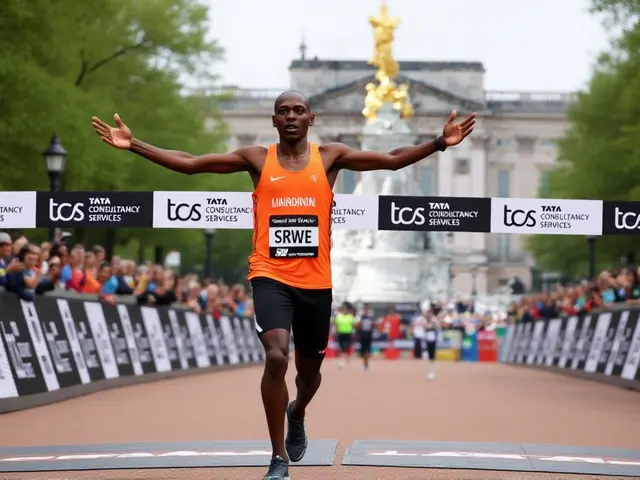
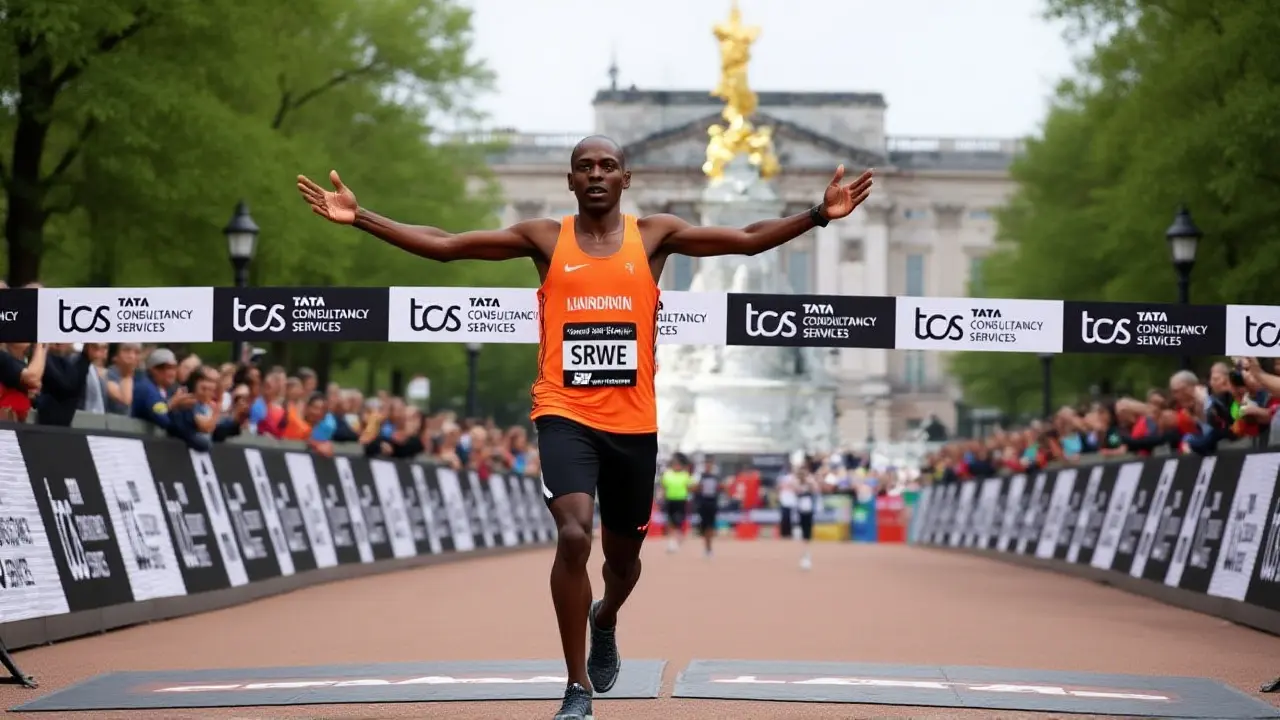
History was made on the streets of London this past Saturday. Kenyan runner Sabastian Kimaru Sawe didn’t just win the race; he broke a barrier that had seemed impossible for over a decade. With a staggering time of 1:59:30, Sawe became the first athlete to run a marathon in under two hours during an official, record-eligible competition.
The clock stopped at 1:59:30 on April 26, 2026. It’s a number that will likely be printed in textbooks for years to come. For context, the previous world record stood at 2:00:35, set by the late Kelvin Kiptum back in 2023. But here’s the twist: Eliud Kipchoge ran faster than this—clocking 1:59:00 in 2019—but it didn’t count as an official world record because it was part of a specially organized challenge, not a standard open race. Sawe’s achievement is different. It’s clean, it’s official, and it happened in front of thousands of cheering fans along the Thames.
A Historic Day for Distance Running
Let’s be clear about what happened here. This wasn’t just one person having a good day. The entire field was flying. While Sawe took gold, Ethiopia’s Yomif Kejelcha finished second with a time of 1:59:41. Yes, you read that right. Two runners crossed the finish line under two minutes in the same race. That’s unprecedented. It signals a new era where the sub-two-hour mark isn’t just a dream—it’s becoming the standard for elite performance.
On the women’s side, history was being written too. Ethiopian star Tigst Assefa secured her second consecutive victory at the London MarathonLondon, setting a new women-only world record of 2:15:41. Assefa, who already boasts wins at the New York and Boston Marathons plus an Olympic bronze, showed why she’s considered one of the most dominant forces in women’s distance running today.
The Man Behind the Record
Sabeastian Sawe isn’t exactly a household name yet, but his journey to this moment has been steady. Born on March 16, 1995, the 31-year-old from Kenya made his marathon debut just two years ago at the Valencia Marathon. He won that race with a time of 2:02:05. To go from 2:02 to 1:59 in such a short span is remarkable. Most athletes take years to shave off even ten seconds. Sawe dropped nearly three minutes.
What drives him? Beyond the physical training, there’s a deep spiritual component. Friends and coaches often note that Sawe never misses Mass. His faith seems to anchor him, providing a calm center amidst the chaos of elite athletics. In interviews leading up to the race, he spoke less about strategy and more about gratitude. “I’m just happy to be here,” he said after crossing the line, breathless but smiling. It’s a humble approach from someone who just changed the sport forever.
Why This Matters Beyond the Clock
This result changes everything for how we view human potential. For years, scientists and sports experts debated whether the human body could sustain the pace required to break two hours in a real-world race. Kipchoge’s 2019 run proved it was possible under controlled conditions. Sawe proves it can happen in the unpredictable environment of a major city marathon, with wind, traffic stops, and varying temperatures.
The implications for future races are huge. Expect more runners to target sub-two times in upcoming events like the Berlin or Chicago Marathons. The psychological barrier is gone. Now, it’s just about execution. And if Kejelcha’s second-place finish is any indication, we might see multiple sub-two performances in every major marathon within the next few years.
Looking Ahead
So, what’s next for Sawe? Rest, probably. Then, perhaps a defense of his title next year. But for now, he’s enjoying the moment. The media frenzy is intense, but he seems grounded. Meanwhile, track analysts are already dissecting his split times, looking for clues to his success. Was it his pacing? His nutrition? Or simply raw talent?
One thing is certain: the 2026 London Marathon will be remembered as the day the marathon entered a new age. Not because one person broke a record, but because the entire field pushed the boundaries of what we thought was possible. From Sawe’s historic win to Assefa’s dominance, it was a day where excellence wasn’t just expected—it was delivered.
Frequently Asked Questions
Is Sabastian Sawe's time an official world record?
Yes, absolutely. Unlike Eliud Kipchoge's 1:59:00 run in 2019, which was part of a special challenge (Ineos 1:59), Sawe's 1:59:30 was achieved during a standard, open competitive race. This makes it eligible for recognition by World Athletics as the official world record.
Who held the previous world record?
The previous official world record was held by Kenyan runner Kelvin Kiptum, who set it in 2023 with a time of 2:00:35. Tragically, Kiptum passed away later that year, making Sawe's achievement even more poignant as a continuation of Kenyan excellence in long-distance running.
Did anyone else break the two-hour barrier?
Yes. Ethiopian runner Yomif Kejelcha finished second in the men's race with a time of 1:59:41. This means two runners completed the course in under two hours during the same event, marking a historic shift in elite marathon performance standards.
What did Tigst Assefa achieve at the same race?
Ethiopian star Tigst Assefa won the women's division with a time of 2:15:41, setting a new women-only world record. This marked her second consecutive victory at the London Marathon, adding to her impressive resume that includes wins at the New York and Boston Marathons.
How does Sawe's personal best compare before this race?
Before the 2026 London Marathon, Sawe's personal best was 2:02:05, set when he won his marathon debut at the 2024 Valencia Marathon. Dropping nearly three minutes in just two years demonstrates an extraordinary improvement curve for an elite athlete.